November 1st: Western Canada keeps its clocks. Is your software ready?

Some topics in computer science fascinate me, and time handling is one of them. At first it sounds simple, but there are a lot of edge cases behind it, and it’s tied to politics and to people’s everyday lives.

On November 1st 2026, at 2:00 in the morning, while most of North America is asleep, the clocks will fall back one hour. Not in British Columbia, Alberta, the Northwest Territories and Manitoba. They have all decided to stay on “permanent daylight time”, and they all announced it in 2026, joining Yukon and most of Saskatchewan, which already don’t change their clocks. The last one, Manitoba, announced it just six weeks before the change.

If your servers, containers or databases do not have the latest version of the time zone database, every timestamp they display for several Canadian provinces after November 1st will be one hour off. And worse: today, even the latest versions of popular Docker images are out of date.
Read more...

Moving my blog from Jekyll to Hugo with Claude Code

Historically this blog started in 2003 was using SPIP, then I moved to Jekyll to get a more simple setup without the need for a database. Jekyll was a good choice at the time, but it has become a bit cumbersome to maintain, especially with the need to run Ruby and its dependencies. I was stuck on an old version of Jekyll and Ruby, and each time I wanted to publish a new post, I had to spend time fighting with the environment.

I decided to move to Hugo, a static site generator written in Go, which is much easier to set up and maintain. The installation on Ubuntu is just a matter of running a single apt install. I was already using Hugo for some other projects with success. Like Jekyll, Hugo is a static site generator based on Markdown files.

I was delaying the migration for a long time, the idea of rewriting my theme, migrating all my posts, and making sure everything worked was daunting. I had even tried once before, only to realize it was far more work than I imagined. I finally decided to use Claude Code to help me with the migration.

Read more...

Streamlining School Menu Extraction with Mistral's Latest OCR Technology

With the recent announcement of Mistral OCR, an old idea of using code to extract my son’s school menu has been revived.

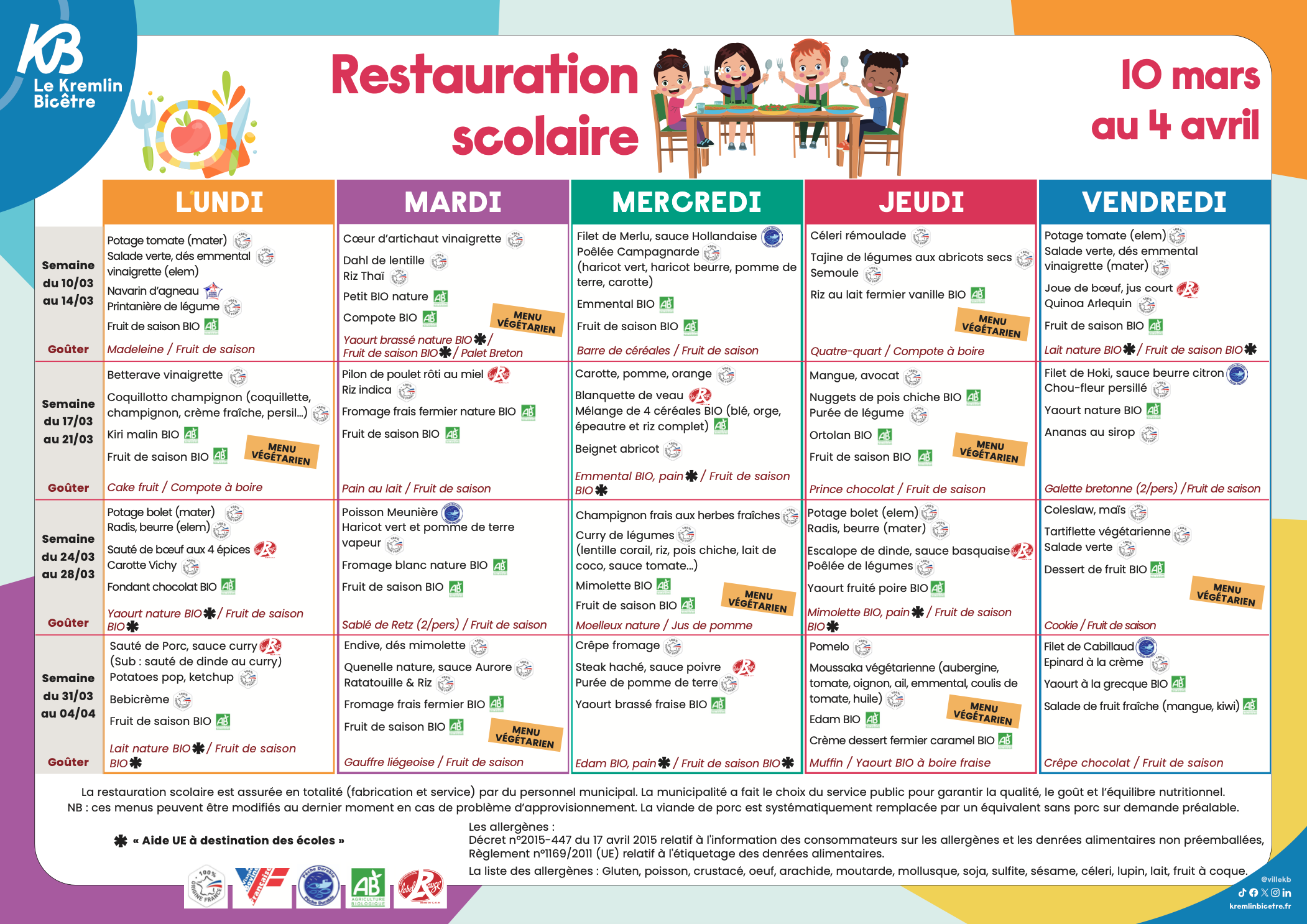
The menu looks like this: School Menu

The goal is to extract the starter, main course, dessert, and snack for each day.

Manually extracting this information can be challenging because the document is designed to be visually appealing for humans, not machines. However, with Mistral’s new API, this task can now be accomplished with just a few lines of code.

Read more...

Colvert

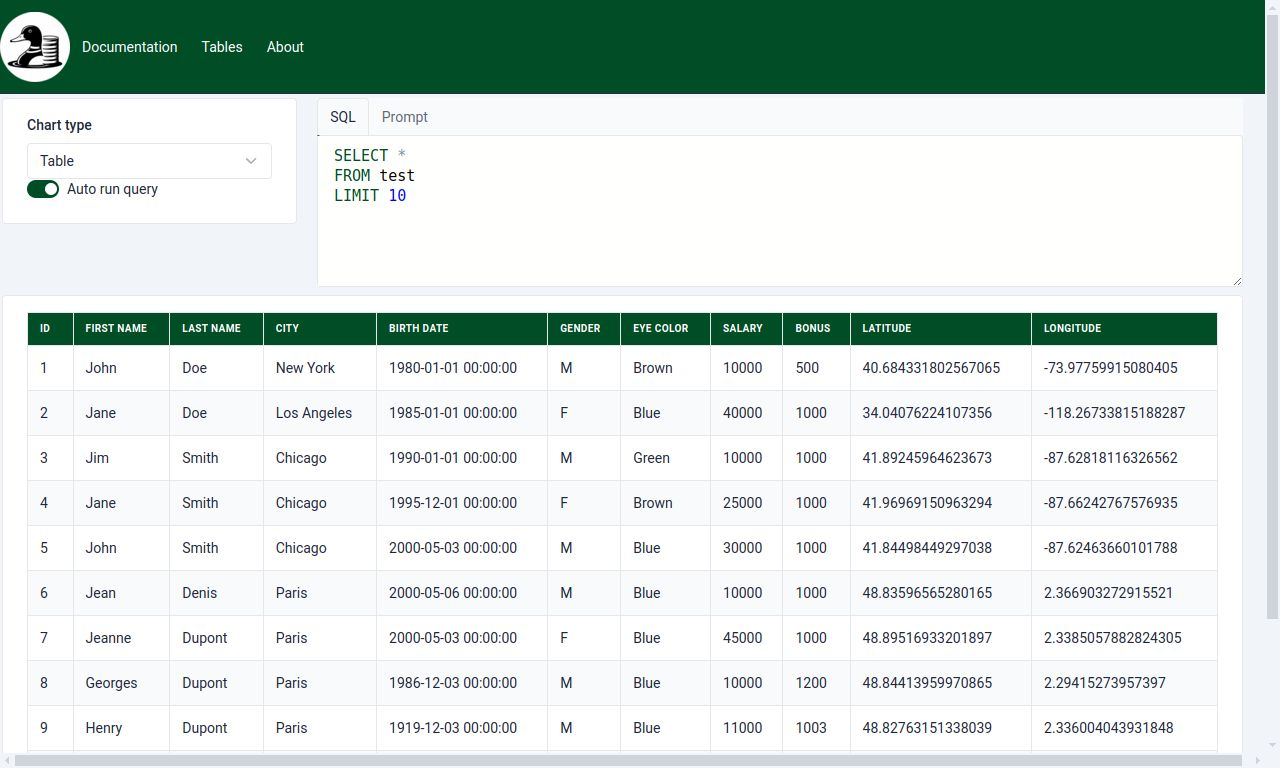
In my free time, I’m working on a toy project named: Colvert. It’s allowed me to test some ideas and play with technology I’m interested (Python, DuckDB, HTMX). But more importantly, it’s software I’m using for my personal needs.

It’s fast UX that allows exploring large CSV/Parquet files using SQL. It’s refreshed as you type and get a graphic with one click. It’s much faster than a spreadsheet and as a developer I feel SQL more comfortable.

Their is a toy LLM integration for text to SQL. It’s domain I want to explore more this year.

Read more...

Use Common Crawl to access web data

Common Crawl is a non-profit that freely provides petabytes of web data, making it a goldmine for AI and data projects. Instead of crawling the web yourself, you can tap into their regularly updated archives hosted on AWS.

This guide shows you how to:

  • Access and query the dataset via HTTP, S3, or AWS Athena
  • Use the Common Crawl Index API to locate specific pages
  • Efficiently extract only the data you need without downloading terabytes